
Best Guided Tours and Ancient Attractions in Rome
Meta Title: Best Guided Tours and Ancient Attractions in Rome
Meta Description: Discover the best guided tours and ancient attractions in Rome, including the Colosseum, Roman Forum, Palatine Hill, and the Pantheon. Plan an unforgettable Italian adventure.
Suggested URL Slug: best-guided-tours-ancient-attractions-rome
Introduction
Rome, the capital of Italy, is one of the world’s most fascinating destinations for travelers who love history, architecture, culture, and unforgettable experiences. Often called the Eternal City, Rome brings together magnificent ancient monuments, charming cobblestone streets, beautiful piazzas, historic churches, and lively Italian cafés.
For first-time visitors, exploring Rome with a knowledgeable guide can make the experience much more meaningful. Instead of simply looking at ancient ruins, you can discover the stories of Roman emperors, gladiators, politicians, artists, and ordinary citizens who helped shape the city over thousands of years.
From the famous Colosseum to the impressive ruins of the Roman Forum and the panoramic views of Palatine Hill, Rome offers countless opportunities to explore the ancient world.
In this guide, we will cover the best guided tours and ancient attractions in Rome, what makes each place special, and practical tips to help you plan your visit.
1. Explore the Colosseum with a Guided Tour
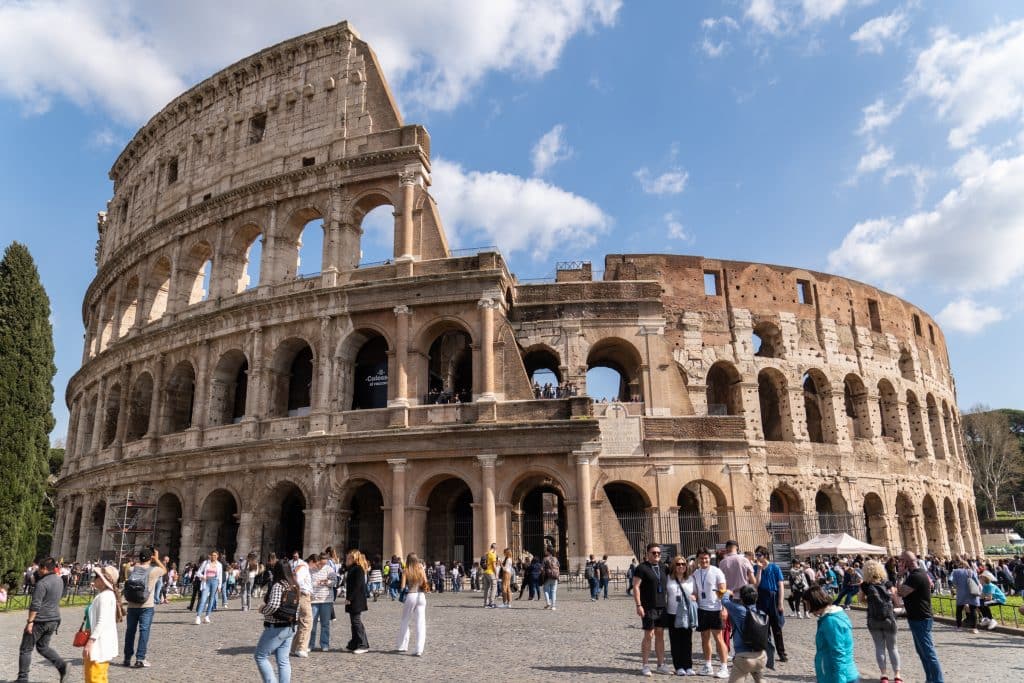
The Colosseum is one of Rome’s most recognizable landmarks and a must-see attraction for almost every visitor. This enormous amphitheater was built during the first century AD and hosted gladiatorial contests, public spectacles, and other events attended by thousands of spectators.
Walking around the Colosseum allows you to appreciate its impressive arches, enormous stone structure, and remarkable engineering. Inside, visitors can learn about the organization of ancient Roman entertainment and the lives of the people who participated in these events.
Why choose a guided Colosseum tour?
A guided tour can help you understand the monument beyond its appearance. Depending on the tour you choose, your guide may explain:
- How the Colosseum was constructed.
- How spectators entered and found their seats.
- The role of gladiators and public spectacles.
- The underground spaces where performers and animals were prepared.
- How the amphitheater has survived earthquakes, damage, and centuries of change.
Some tours include access to the arena floor or underground areas, while others cover the standard visitor levels. These special areas require the appropriate ticket and may have limited availability.
Travel tip: Book your preferred time slot in advance, especially during busy travel periods. Check exactly which areas are included before purchasing a ticket.
2. Discover the Roman Forum
The Roman Forum was once the center of public life in ancient Rome. This archaeological area contains the remains of temples, government buildings, basilicas, monuments, and ancient streets.
As you walk through the site, you can imagine a time when Roman citizens gathered here to discuss politics, conduct business, attend ceremonies, and participate in important public events.
Among its fascinating remains are the Arch of Septimius Severus, the Temple of Saturn, and the ruins of several important civic buildings.
What makes a Roman Forum tour worthwhile?
The Roman Forum can be difficult to understand without historical context because many structures survive only partially. A knowledgeable guide can help you recognize what different buildings were used for and explain how the area changed throughout Roman history.
A guided walk may cover:
- The political and religious importance of the Forum.
- The functions of ancient temples and public buildings.
- Important ceremonies and events.
- The development of Rome from an early settlement into a powerful empire.
Wear comfortable shoes because the archaeological area contains uneven surfaces, slopes, and ancient paving stones.
3. Enjoy the Views from Palatine Hill
Palatine Hill is one of the most historically significant places in Rome. According to Roman tradition, this hill is connected with the legendary origins of the city. It later became an important residential area for emperors and members of the Roman elite.
Today, visitors can explore archaeological remains associated with imperial palaces, ancient residences, and landscaped grounds.
One of the highlights is the view over the Roman Forum, where layers of history unfold across the archaeological landscape.
What to see on Palatine Hill
- Remains of imperial residences.
- Ancient palace complexes and courtyards.
- Archaeological discoveries connected with early Rome.
- Scenic viewpoints overlooking the Forum and surrounding city.
Palatine Hill is especially enjoyable for travelers who want to combine historical discovery with photography and peaceful walks.
Travel tip: Consider visiting the Colosseum, Roman Forum, and Palatine Hill together. They form part of the same major archaeological attraction, although the exact ticket and access rules depend on the option selected.
4. Visit the Pantheon
The Pantheon is one of the most remarkable surviving monuments of ancient Rome. Its imposing portico, massive columns, and enormous domed interior make it a highlight for architecture enthusiasts.
The present building dates to the Roman imperial period and is especially famous for its concrete dome and central circular opening, known as the oculus. Natural light entering through this opening creates a distinctive atmosphere inside the monument.
A visit to the Pantheon offers an opportunity to appreciate Roman engineering and understand how ancient architectural ideas influenced later buildings throughout Europe.
What to look for inside
- The impressive entrance portico.
- The enormous dome and central oculus.
- The geometric design of the interior.
- The monument’s later religious use and historic tombs.
You can explore the Pantheon independently or look for a city walking tour that includes it. Check the current entry requirements and any applicable admission fee before visiting.
5. Explore the Capitoline Hill and Capitoline Museums
Capitoline Hill is one of Rome’s historic seven hills and an excellent destination for visitors interested in ancient sculpture, Roman art, and the city’s political history.
The Capitoline Museums house important collections of classical sculpture, inscriptions, and artworks associated with Rome’s past. The surrounding square, designed by Michelangelo, is also an architectural attraction in its own right.
Why visit the Capitoline Museums?
The museums offer a different experience from walking through open-air ruins. Visitors can see ancient objects up close and learn how Roman art, government, and civic identity developed.
Highlights include classical statues, historical inscriptions, and artworks connected with ancient Rome.
A guided museum tour can be especially helpful if you want explanations of the objects rather than simply walking through the galleries.
6. Discover the Baths of Caracalla
The Baths of Caracalla provide a fascinating look at everyday life in ancient Rome. These enormous public bath complexes were built in the third century AD and included bathing rooms, exercise spaces, gardens, and other facilities.
The surviving walls and architectural remains give visitors an idea of the scale and ambition of Roman public architecture.
What can you discover here?
A visit reveals how bathing complexes served social, recreational, and cultural purposes. They were not simply places to wash; they were important public spaces where people exercised, relaxed, and spent time together.
The site is often less crowded than the Colosseum, making it a worthwhile addition to a longer stay in Rome.
Check current opening arrangements and available guided experiences before planning your visit.
7. Walk Along the Appian Way
The Appian Way, or Via Appia Antica, is one of the most famous ancient Roman roads. It once connected Rome with important settlements farther south and played a significant role in the expansion of Roman territory.
Today, the area offers a different perspective on the city, with historic paving stones, archaeological remains, countryside scenery, and ancient monuments.
Ways to explore the Appian Way
- Join a guided walking tour.
- Choose a cycling excursion where available.
- Discover ancient tombs and roadside monuments.
- Combine the route with visits to nearby archaeological sites.
This experience is particularly appealing to travelers who want to spend time outdoors while learning about Roman engineering and transportation.
Because the route extends beyond the busiest central attractions, check meeting points and transport arrangements before booking a tour.
8. Explore the Underground History of Rome
Rome’s history extends beneath its modern streets. Depending on availability, visitors can discover underground archaeological spaces, ancient structures, and historic sites that reveal different layers of the city’s past.
One well-known option is the Domus Aurea, associated with Emperor Nero. This imperial palace complex offers insight into the scale and artistic ambition of Roman imperial architecture.
Other underground experiences may involve historic churches, archaeological remains, or ancient passages.
Why choose an underground tour?
Underground visits can reveal spaces that are not visible during ordinary sightseeing. Guides often explain how archaeologists interpret surviving walls, decorative features, and the changing use of historic buildings.
Important: Underground tours frequently require advance reservations, and access may be restricted for conservation or safety reasons. Confirm current availability and any age, accessibility, or photography rules before booking.
9. Join a Guided Walking Tour of Ancient Rome
A walking tour is a practical way to connect several historic landmarks while learning about the people and events that shaped the city.
Depending on the itinerary, a tour might include the exterior of the Colosseum, ancient streets, the Roman Forum viewpoints, historic piazzas, or monuments in the city center.
Benefits of a guided walking tour
- Learn historical details that are easy to miss independently.
- Discover stories behind famous monuments.
- Navigate unfamiliar streets with an organized itinerary.
- Ask questions and learn from a local guide.
- Explore several attractions in a structured amount of time.
Some tours focus on ancient history, while others combine Roman monuments with Renaissance architecture, food stops, or neighborhood walks.
Read the itinerary carefully to see which attractions are entered and which are viewed from outside.
10. Choose a Rome Tour That Fits Your Travel Style
Not every traveler needs the same kind of tour. The best choice depends on your interests, schedule, budget, and mobility needs.
For first-time visitors
Choose a Colosseum, Roman Forum, and Palatine Hill experience. These attractions provide an excellent introduction to ancient Rome.
For history enthusiasts
Look for specialist tours that focus on Roman emperors, gladiatorial games, archaeological discoveries, or the city’s political history.
For architecture lovers
Consider the Pantheon, Capitoline Museums, Baths of Caracalla, and other historic buildings.
For outdoor explorers
A walking or cycling excursion along the Appian Way can offer a more relaxed experience away from some of the busiest central streets.
For families
Choose a tour with an age-appropriate pace, engaging explanations, rest breaks, and manageable walking distances. Check whether the tour is suitable for children before booking.
Practical Tips for Visiting Ancient Rome
Book popular attractions early
The Colosseum has timed-entry arrangements, and special-access experiences may have limited capacity. Use official ticket information or a reputable booking provider to check availability.
Visit early when possible
Morning visits can be more comfortable, particularly during warmer months. Early starts may also help you fit several attractions into one day.
Wear comfortable shoes
Many archaeological sites have uneven ground, steps, exposed stone, and long walking routes.
Carry water and sun protection
Rome can be hot and sunny during summer. Bring water, sunscreen, and a hat, and take breaks as needed.
Check accessibility
Ancient monuments can have steep or uneven sections. Review the attraction’s accessibility information if you use a wheelchair, travel with a stroller, or have difficulty walking.
Read the tour inclusions
Before booking, check the duration, language, meeting point, entry tickets, cancellation terms, and whether the guide accompanies you inside each attraction.
Respect historic sites
Follow posted rules, avoid touching fragile surfaces, and stay within designated visitor areas. These precautions help protect the monuments for future generations.
How to Find and Book Guided Tours in Rome
Travelers can compare guided tours through official attraction websites and established tour-booking platforms.
Viator is one platform where travelers can search for Rome sightseeing experiences, subject to current availability. Depending on the date, you may find Colosseum tours, archaeological walks, museum visits, and other activities.
When comparing options, consider:
- What is included in the price.
- Whether attraction admission is included.
- The guide’s language and expertise.
- The tour’s duration and group size.
- The meeting location and transport arrangements.
- Cancellation and rescheduling policies.
Always review the full listing before booking, as two tours with similar titles may offer very different experiences.
Suggested One-Day Ancient Rome Itinerary
If you have one full day to explore the city’s ancient landmarks, you could organize your visit as follows:
Morning: Start with a timed-entry Colosseum tour.
Late morning: Continue to the Roman Forum and learn about ancient Roman public life.
Early afternoon: Explore Palatine Hill and enjoy the archaeological views.
Late afternoon: Visit the Pantheon if opening hours, entry arrangements, and your schedule allow.
This itinerary involves substantial walking. If you prefer a slower pace, spread the attractions over two days rather than rushing through them.
Final Thoughts
Rome is a remarkable destination for anyone interested in ancient civilizations, architecture, and cultural heritage. Its monuments offer a direct connection to a world that influenced government, engineering, art, and urban life for centuries.
The Colosseum, Roman Forum, Palatine Hill, Pantheon, Capitoline Museums, Baths of Caracalla, and Appian Way each reveal a different aspect of the city’s history.
A well-chosen guided tour can help you understand these places in greater depth and make your trip more memorable. Plan ahead, compare the available experiences, and leave enough time to enjoy the atmosphere of the Eternal City.
Ready to plan your Rome adventure? Compare available guided tours and ancient attraction experiences, and choose the itinerary that best matches your interests and travel schedule.














Post Comment