
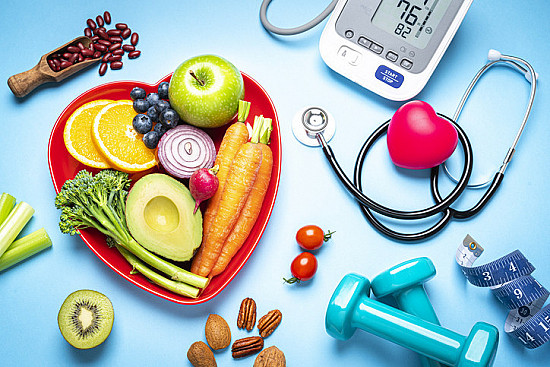
Foods That Support Heart Health: A Complete Guide to Heart-Healthy Eating
Introduction
The food we eat plays an important role in overall cardiovascular health. A heart-supportive eating pattern is not about relying on one “superfood” or following a restrictive diet. Instead, it is about regularly choosing a variety of vegetables, fruits, whole grains, legumes, nuts, fish, and other nutrient-rich foods while limiting excess sodium, added sugars, saturated fats, and highly processed foods.
The American Heart Association’s 2026 dietary guidance emphasizes an overall dietary pattern built around vegetables and fruits, mostly whole grains, healthy sources of protein, unsaturated fats instead of saturated fats, and minimally processed foods.
This guide explores some of the foods that can fit into a heart-healthy eating pattern and provides practical ideas for incorporating them into everyday meals.
Health note: This article is for general education and isn’t a substitute for personalized medical advice. People with heart disease, high blood pressure, diabetes, kidney disease, or other medical conditions should discuss major dietary changes with a qualified healthcare professional.
Why Does Heart-Healthy Eating Matter?
The cardiovascular system depends on healthy blood vessels, appropriate blood pressure, and balanced blood lipid levels.
A healthy eating pattern can help support several factors associated with cardiovascular health. For example, the NHLBI notes that the DASH eating plan can lower blood pressure and improve the lipid profile, while also supporting weight management and reducing the risk of type 2 diabetes and heart disease.
Rather than focusing on a single nutrient, current guidance emphasizes the overall quality and pattern of the diet.
That means your regular meals matter more than one individual food.
1. Leafy Green Vegetables
Leafy greens such as spinach, kale, collard greens, and cabbage can be excellent additions to a balanced diet.
They provide nutrients and dietary fiber while generally being low in calories. NHLBI specifically includes leafy greens among the vegetables that form the foundation of a heart-healthy eating plan.
Easy ways to eat more leafy greens
- Add spinach to eggs or omelets.
- Use kale in salads.
- Add leafy greens to soups.
- Blend spinach into a smoothie.
- Use lettuce or other greens in sandwiches and wraps.
Try replacing some calorie-dense ingredients with vegetables to increase the nutritional value of your meals.
2. Berries and Other Fruits
Fruit is another important part of a heart-supportive dietary pattern.
Berries such as strawberries, blueberries, and raspberries are convenient additions to breakfast or snacks. Other fruits, including apples, oranges, bananas, pears, grapes, and melons, can also contribute important nutrients and fiber.
NHLBI recommends a variety of fruits as part of heart-healthy eating.
Healthy fruit ideas
Try:
- Berries with plain yogurt
- Apple slices with unsalted nut butter
- Banana with oatmeal
- Orange as a snack
- Fresh fruit added to a whole-grain breakfast
Whole fruit is generally more filling than sugary fruit-based drinks and can be an easy way to increase fruit intake.
3. Oats and Other Whole Grains
Whole grains can be an important source of dietary fiber and other nutrients.
Examples include:
- Oatmeal
- Brown rice
- Whole-wheat bread
- Whole-wheat pasta
- Quinoa
- Barley
- Whole-grain cereals
The American Heart Association recommends choosing foods made mostly with whole grains rather than refined grains.
Easy breakfast idea
A bowl of oatmeal topped with berries, sliced banana, and a small amount of unsalted nuts can combine several heart-supportive food groups in one meal.
4. Fatty Fish
Fish can be an important source of protein, and some fish are particularly rich in omega-3 fatty acids.
Examples include:
- Salmon
- Trout
- Mackerel
- Herring
- Certain types of tuna
The American Heart Association recommends regularly including fish and seafood, with oily fish being a useful source of omega-3 fatty acids.
Healthier preparation methods
Instead of deep-frying fish, consider:
- Baking
- Grilling
- Broiling
- Roasting
- Steaming
Pair fish with vegetables and a whole grain for a balanced meal.
5. Beans and Lentils
Beans and legumes are versatile plant-based foods that provide protein and fiber.
Good choices include:
- Lentils
- Chickpeas
- Kidney beans
- Black beans
- Pinto beans
- Split peas
The AHA recommends plant-based protein sources such as beans, peas, and lentils as part of a heart-healthy dietary pattern.
How to include legumes
Add them to:
- Soups
- Salads
- Curries
- Rice dishes
- Wraps
- Grain bowls
If using canned beans, choosing lower-sodium varieties or rinsing them can help reduce sodium intake. NHLBI specifically recommends rinsing canned foods or foods soaked in brine as one strategy for reducing sodium.
6. Nuts and Seeds
Nuts and seeds can provide healthy fats, protein, fiber, and other nutrients.
Some options include:
- Walnuts
- Almonds
- Pistachios
- Pecans
- Chia seeds
- Flaxseeds
- Pumpkin seeds
- Sunflower seeds
The AHA identifies nuts and seeds as useful components of a nutrient-dense heart-healthy eating pattern.
Smart snacking tip
Choose unsalted nuts when possible, and pay attention to portions because nuts are energy-dense.
A small handful can be an easy snack between meals.
7. Avocados
Avocados contain predominantly unsaturated fats and can be incorporated into a variety of meals.
Try adding avocado to:
- Whole-grain toast
- Salads
- Grain bowls
- Sandwiches
- Homemade wraps
They can also be used as an alternative to some foods that are higher in saturated fat.
8. Olive and Other Nontropical Plant Oils
The type of fat used in cooking matters. The AHA recommends replacing sources of saturated fat with unsaturated fats and using nontropical liquid plant oils.
Examples include:
- Olive oil
- Canola oil
- Sunflower oil
- Soybean oil
- Safflower oil
Use these oils thoughtfully rather than assuming that a healthier oil can be consumed without regard to portion size.
9. Low-Fat or Fat-Free Dairy
Low-fat or fat-free dairy products can provide protein and calcium.
Examples include:
- Plain low-fat yogurt
- Low-fat milk
- Reduced-fat cheese
NHLBI includes low-fat and fat-free dairy products in its heart-healthy eating recommendations.
For yogurt, choose options with little or no added sugar when possible.
10. Vegetables of Many Colors
Don’t limit yourself to one type of vegetable.
Include a variety such as:
- Broccoli
- Carrots
- Tomatoes
- Bell peppers
- Sweet potatoes
- Green beans
- Cabbage
- Cauliflower
- Squash
Different vegetables provide different combinations of nutrients, so variety is valuable.
A simple goal is to make vegetables a regular part of lunch and dinner.
Foods to Limit for Better Heart Health
A heart-healthy diet isn’t only about what you add. It also involves reducing foods and ingredients that can make the overall eating pattern less healthy.
Limit Excess Sodium
Too much sodium can contribute to high blood pressure in susceptible individuals. NHLBI’s DASH plan emphasizes lower-sodium choices, with 2,300 mg per day as a general target and 1,500 mg potentially lowering blood pressure further.
Common sources can include:
- Processed meats
- Salty snacks
- Some canned foods
- Fast food
- Prepared meals
- High-sodium sauces
Check nutrition labels when comparing packaged foods.
Reduce Saturated Fat
Saturated fat is found in foods such as fatty meats, butter, full-fat dairy products, and tropical oils.
The AHA recommends limiting saturated fat and replacing some sources with unsaturated fats.
For example, you might replace some butter with a liquid plant oil when cooking.
What About Processed Foods?
Not every packaged food is unhealthy. However, highly processed foods can sometimes contain substantial amounts of sodium, added sugar, saturated fat, or other ingredients that may make a diet less heart-supportive.
The AHA’s 2026 guidance recommends choosing minimally processed foods instead of ultraprocessed foods where practical.
When shopping, compare nutrition labels and look for products with lower amounts of:
- Sodium
- Added sugars
- Saturated fat
A Simple Heart-Healthy Plate
You don’t necessarily need complicated recipes to eat well.
A simple meal could include:
Half the plate: Vegetables
A quarter of the plate: Fish, beans, lentils, skinless poultry, or another healthy protein
A quarter of the plate: Whole grains such as brown rice, quinoa, or whole-grain pasta
Add a small amount of a healthy unsaturated fat, such as olive oil or avocado.
This type of meal structure can make it easier to include several heart-supportive food groups at once.
Sample One-Day Heart-Healthy Menu
Breakfast
Oatmeal with berries and walnuts
- Plain oats
- Fresh or frozen berries
- Small portion of walnuts
- Low-fat or unsweetened milk/yogurt if desired
Lunch
Lentil and vegetable bowl
- Lentils
- Mixed leafy greens
- Tomatoes
- Cucumber
- Carrots
- Whole-grain bread
- Olive-oil-based dressing
Snack
Apple with unsalted almonds
This combines fruit with a source of protein and healthy fats.
Dinner
Grilled salmon with vegetables and brown rice
- Grilled salmon
- Steamed broccoli
- Roasted vegetables
- Brown rice
Beverage
Water or another unsweetened beverage can be a simple everyday choice.
Practical Tips for Making Heart-Healthy Eating Easier
1. Plan Your Meals
Planning meals ahead can make it easier to include vegetables, whole grains, and healthy proteins.
2. Keep Healthy Snacks Available
Keep fruit, unsalted nuts, plain yogurt, or cut vegetables available for quick snacks.
3. Read Food Labels
Compare products based on sodium, saturated fat, and added sugars. The AHA recommends using nutrition labels to help identify healthier options.
4. Cook More Often at Home
Preparing meals yourself gives you more control over salt, added sugar, and cooking fats.
5. Use Herbs and Spices
Instead of relying heavily on salt, experiment with herbs, spices, garlic, pepper, citrus, and other flavorful ingredients.
6. Make Small Changes
You don’t have to change everything at once. Try replacing one processed snack with fruit or adding an extra serving of vegetables to dinner.
Small changes can make a healthy eating pattern easier to maintain.
The DASH Eating Pattern
The DASH (Dietary Approaches to Stop Hypertension) eating plan is one established approach to heart-supportive eating.
It emphasizes:
- Vegetables
- Fruits
- Whole grains
- Low-fat or fat-free dairy
- Fish and poultry
- Beans and legumes
- Nuts and seeds
- Healthy vegetable oils
It also limits foods high in saturated fat, added sugars, and sodium.
Importantly, DASH is an overall eating pattern rather than a requirement to eat particular “miracle foods.”
Frequently Asked Questions
What are the best foods for heart health?
There isn’t one food that can protect the heart by itself. A heart-supportive pattern includes a variety of vegetables, fruits, whole grains, legumes, nuts, seeds, fish, and healthy sources of unsaturated fats.
Is oatmeal good for a heart-healthy diet?
Plain oatmeal is a whole-grain food and can be part of a heart-healthy diet. Try pairing it with fruit and unsalted nuts instead of relying on large amounts of added sugar.
Is fish good for heart health?
Fish can be an excellent source of protein, and oily fish such as salmon and trout provide omega-3 fatty acids. The AHA recommends regularly including fish and seafood as part of a healthy eating pattern.
Are nuts healthy for the heart?
Nuts can provide unsaturated fats, protein, fiber, and other nutrients. Unsalted varieties can be a useful choice when eaten in appropriate portions.
Should I completely avoid fats?
Not necessarily. Current heart-health guidance focuses on choosing healthier unsaturated fats in place of saturated fats rather than eliminating dietary fat altogether.
How can I reduce sodium?
Cook more meals at home, compare food labels, choose lower-sodium products, use less added salt, and rinse canned foods when appropriate.
Final Thoughts
Supporting heart health through food is less about finding one perfect ingredient and more about building a balanced eating pattern that you can maintain over time.
Fill your meals with vegetables, fruits, whole grains, beans, lentils, nuts, seeds, fish, and other nutritious protein sources. Choose unsaturated fats more often, and limit excessive sodium, added sugars, saturated fats, and highly processed foods.
The key is consistency. A colorful plate, sensible portions, and small sustainable
improvements can make healthy eating much easier to maintain.
If you have a medical condition or take medications that affect your diet, blood pressure, cholesterol, or blood sugar, speak with your healthcare professional before making significant dietary changes.














5 comments