
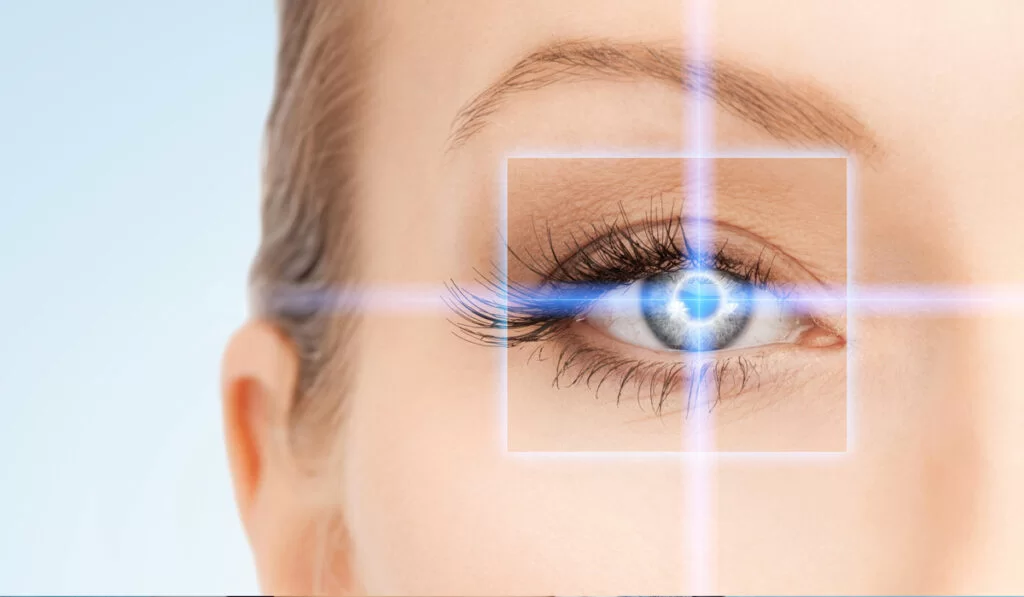
Eye Health: A Complete Guide to Protecting Your Vision and Keeping Your Eyes Healthy


6
Introduction
Your eyes are among the most important organs in your body, allowing you to see the people, places, and activities around you. Good eye health is not only about having clear vision—it also involves protecting your eyes from injury, reducing preventable risks, managing health conditions, and getting appropriate eye examinations.
Many eye diseases can develop without noticeable symptoms during their early stages. Regular comprehensive eye examinations can help identify certain problems early, when treatment may be more effective.
This guide explains practical ways to protect your eyesight, the role of nutrition and screen habits, common eye problems, contact-lens safety, and warning signs that should not be ignored.
Why Is Eye Health Important?
Healthy eyes help you:
- See clearly at different distances
- Read and work comfortably
- Recognize faces and surroundings
- Maintain independence as you age
- Perform everyday activities safely
- Detect certain eye diseases early
Common eye conditions include refractive errors, cataracts, glaucoma, diabetic retinopathy, and age-related macular degeneration. Some conditions can cause permanent vision loss if they are not identified and managed appropriately.
Eye health can also be connected with overall health. For example, diabetes and high blood pressure can affect the eyes, making regular medical and eye care particularly important.
1. Get Regular Eye Examinations
One of the best things you can do for your vision is have comprehensive eye examinations at appropriate intervals.
An eye examination can check your vision and look for signs of eye disease. Some conditions may not produce obvious symptoms in their early stages, so waiting until you notice a problem is not always a good strategy.
Your eye-care professional may examine different parts of the eye, including the retina and optic nerve. A dilated examination can help detect certain diseases that may otherwise go unnoticed.
Who May Need More Frequent Eye Care?
People with diabetes, certain risk factors for glaucoma, or other medical or family-history considerations may need examinations more frequently. Your eye-care professional can recommend an appropriate schedule based on your age, health, medications, vision, and risk factors.
2. Follow the 20-20-20 Rule for Screen Use
Computers, smartphones, tablets, and other digital devices are now part of everyday life. Spending long periods focusing on a screen can contribute to tired or uncomfortable eyes.
A simple habit is the 20-20-20 rule:
Every 20 minutes, look at something approximately 20 feet away for at least 20 seconds.
You can also:
- Blink regularly.
- Take short breaks from close-up work.
- Adjust your screen to a comfortable viewing position.
- Avoid excessive glare.
- Keep the screen at a comfortable distance.
- Use appropriate lighting in your workspace.
These habits can make extended screen sessions more comfortable.
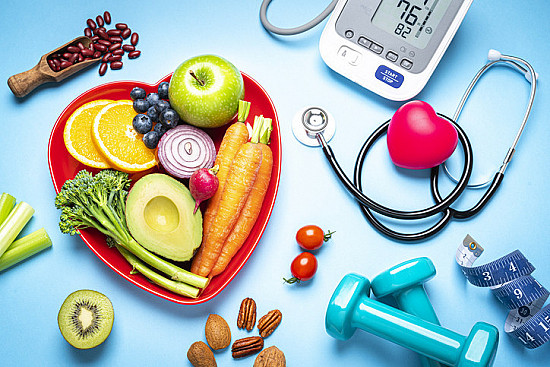
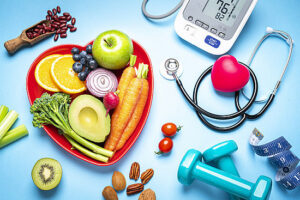
3. Eat a Balanced Diet for Healthy Eyes
Nutrition plays an important role in overall health, and a balanced diet can support eye health.
Include a variety of:
Leafy Green Vegetables
Spinach, kale, and other dark leafy greens provide nutrients that are important for overall health and are commonly recommended as part of a healthy diet for eye health.
Fish
Fish such as salmon, tuna, trout, and halibut provide omega-3 fatty acids.
Colorful Fruits and Vegetables
A varied diet containing fruits and vegetables provides vitamins, minerals, and other nutrients.
Carrots
Carrots are often associated with eye health because they contain beta-carotene, which the body can convert into vitamin A. However, eye health depends on overall nutrition rather than eating one particular food.
The key is variety rather than relying on a single “eye-health” food.
4. Protect Your Eyes From UV Radiation
Long-term exposure to ultraviolet radiation can be harmful to the eyes. Sunglasses are therefore more than a fashion accessory.
When purchasing sunglasses, look for products that block 99–100% of UVA and UVB radiation, as recommended by the CDC.


6
When outdoors, consider sunglasses that provide appropriate UV protection, particularly during strong sunlight.
A wide-brimmed hat can also provide additional shade around the eyes.
5. Wear Protective Eyewear
Eye injuries can happen during sports, home repairs, gardening, construction work, and other activities.
Protective eyewear can reduce the risk of eye injuries during activities where flying particles, chemicals, or other hazards may be present. The CDC recommends appropriate protective eyewear for potentially hazardous activities.
Examples include:
- Safety glasses
- Protective goggles
- Sports eye protection
- Appropriate workplace eye protection
Never assume ordinary sunglasses are sufficient protection for hazardous work.
6. Practice Good Contact Lens Hygiene
Contact lenses are medical devices and need to be handled properly.
Always wash and dry your hands before touching contact lenses. Follow the cleaning, storage, replacement, and wearing instructions provided by your eye-care professional and the lens manufacturer.
Avoid practices that increase the risk of infection, such as storing lenses in water or using saliva to clean them. CDC guidance also advises against wearing contact lenses while swimming or showering unless specifically instructed otherwise.
If you experience eye pain, redness, discharge, or blurred vision while wearing contacts, remove the lenses and seek appropriate medical advice promptly.
7. Maintain a Healthy Lifestyle
Eye health is connected with general health.
Maintaining a healthy weight, eating a balanced diet, being physically active, and managing conditions such as diabetes and high blood pressure can contribute to better overall health and help reduce risks associated with some eye diseases.
Don’t Smoke
Smoking is associated with increased risks of several eye conditions, including cataracts, age-related macular degeneration, and optic nerve damage.
If you smoke, quitting can benefit your eyes as well as many other parts of your body.
8. Common Eye Problems You Should Know About


6
Refractive Errors
These occur when the eye does not focus light correctly. Common examples include:
- Nearsightedness
- Farsightedness
- Astigmatism
- Presbyopia
Glasses, contact lenses, or other appropriate treatments may correct vision problems depending on the condition.
Cataracts
A cataract causes clouding of the eye’s lens and can gradually affect vision.
Glaucoma
Glaucoma refers to a group of conditions that can damage the optic nerve. Early detection is important because vision loss from glaucoma can be permanent.
Diabetic Retinopathy
Diabetes can damage blood vessels in the retina. People with diabetes should discuss appropriate eye examinations with their healthcare professional.
Age-Related Macular Degeneration
Age-related macular degeneration affects the macula and can gradually affect central vision. It is one of the major age-related eye diseases.
9. Pay Attention to Warning Signs
Some eye symptoms should not simply be ignored.
Contact an eye-care professional if you experience:
- Sudden or unexplained vision changes
- Eye pain
- Significant redness
- Double vision
- New or numerous floaters
- Flashes of light
- Halos around lights
- Persistent blurred vision
- Eye discharge
The CDC specifically recommends seeking eye care for symptoms such as decreased vision, eye pain, redness or drainage, double vision, floaters, halos, and flashes.
Sudden changes in vision should receive prompt medical attention.
10. Eye Health Tips for Children
Eye health starts early.
Children should have their vision checked appropriately, particularly because some childhood vision problems may not be obvious to parents or teachers.
The CDC notes that the U.S. Preventive Services Task Force recommends at least one vision screening for children between ages 3 and 5 to help detect amblyopia or risk factors for it.
Parents should pay attention to signs such as:
- Frequent squinting
- Sitting unusually close to screens or books
- Difficulty reading
- Headaches associated with visual tasks
- Covering one eye
- Difficulty seeing the board
- Unusual eye alignment
If you notice concerns, discuss them with a pediatrician or eye-care professional.
11. Simple Daily Eye-Care Routine
A healthy eye-care routine doesn’t need to be complicated.
Morning
- Eat a balanced breakfast.
- Wear UV-protective sunglasses when appropriate outdoors.
- Take prescribed medications as directed.
During Work
- Follow the 20-20-20 rule.
- Blink regularly.
- Take breaks from prolonged close-up work.
- Keep your workspace comfortable and well lit.
During Outdoor Activities
- Use appropriate sunglasses.
- Wear protective eyewear for hazardous activities.
- Avoid looking directly at intense sources of light.
Evening
- Remove contact lenses according to your eye-care professional’s instructions.
- Clean lenses properly if reusable.
- Give yourself breaks from screens before bedtime.
Eye Health: A Simple Checklist
| Healthy Habit | Why It Matters |
|---|---|
| Regular eye examinations | Helps detect certain eye diseases early |
| UV-protective sunglasses | Helps protect eyes from UV radiation |
| Balanced diet | Provides nutrients important for overall health |
| 20-20-20 breaks | Helps make prolonged screen work more comfortable |
| Protective eyewear | Helps reduce eye-injury risk |
| Proper contact-lens hygiene | Helps reduce infection risk |
| Don’t smoke | Smoking is associated with several eye diseases |
| Manage diabetes and blood pressure | These conditions can affect eye health |
| Know your family history | Some eye diseases can run in families |
Final Thoughts
Taking care of your eyes is a lifelong process. Regular eye examinations, a nutritious diet, UV protection, safe contact-lens habits, protective eyewear, healthy lifestyle choices, and sensible screen habits can all contribute to maintaining good vision.
Most importantly, don’t wait for serious symptoms before paying attention to your eye health. Some eye diseases can develop quietly, which is why appropriate professional eye examinations are an important part of preventive care.
Medical note: This article is for general educational purposes and isn’t a substitute for examination or diagnosis by an eye-care professional. If you have sudden vision loss, severe eye pain, flashes/floaters, significant redness, or another concerning symptom, seek prompt medical care.







6 comments